
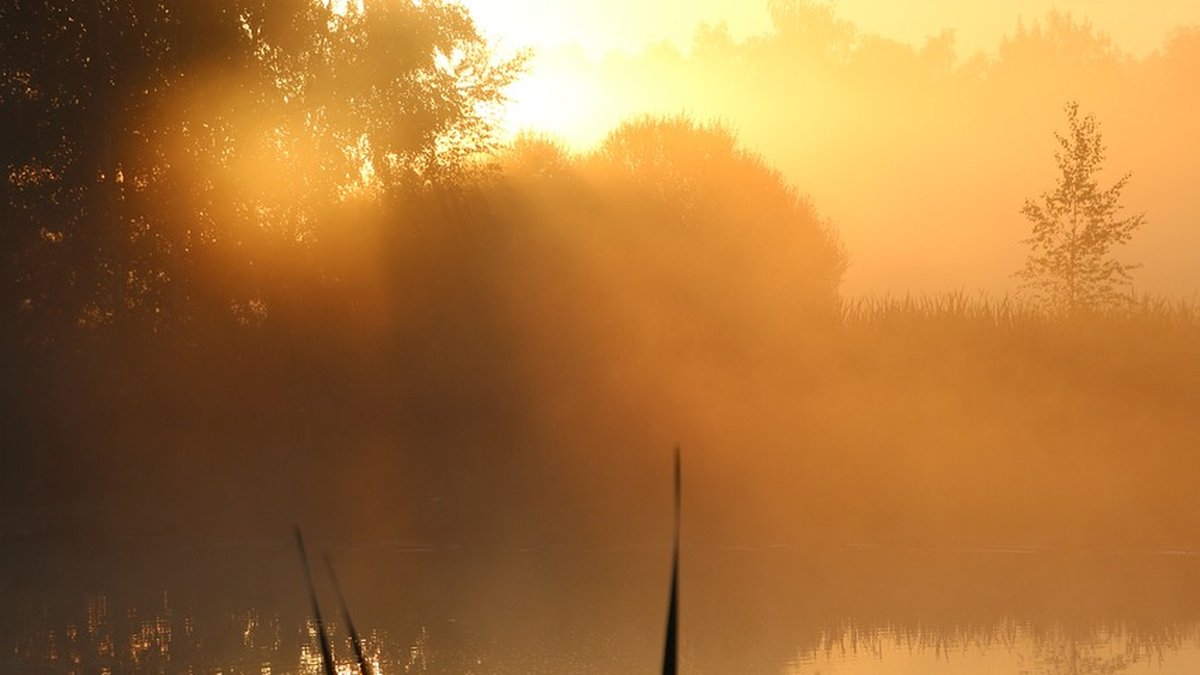
The best family nature day rarely needs a famous lake. A small country park pond, a canal towpath, a gravel-pit nature reserve or a slow river meadow will do beautifully, because young children care far more about what is close than about what is impressive. Look for three things: a circular or out-and-back route of no more than 1.5 to 2 km, safe flat access to the water's edge with a gently sloping bank, and a bench or grassy patch within sight of the water for the picnic.
Shallow, sunny-edged ponds with reeds, lily pads and a few overhanging trees are wildlife goldmines. Canal towpaths are wonderfully pushchair-friendly, and many have dipping platforms and lock-side picnic tables. Avoid steep-sided reservoirs and fast-flowing rivers with small children. A quick look at a map or a local wildlife trust's reserve list will usually turn up something within half an hour's drive.
Half the success of a waterside day is in the bag you carry. Keep it light, but pack for mess and for wet feet.
Pond dipping is usually the highlight of the day, and it works best when it is short, supervised and gentle. Give each child a job: one sweeps the net through the water in a figure of eight, one holds the tray, one tips in a little pond water. Sweep near weed and among reeds rather than in open water — that is where the life is.
Tip the catch into the tray and let the water settle for a minute. Then start naming what you see: water boatmen rowing on their backs, pond skaters dimpling the surface, damselfly nymphs with their three tail prongs, caddisfly larvae in their little cases of twigs, and the occasional stickleback or frog tadpole. Use the magnifier and the paintbrush, and keep a finger over the tray's edge.
After ten or fifteen minutes, tip everything back into the same pond, in the same spot. Explain why: creatures moved to a different stretch of water can carry disease or fail to settle. Then wash hands thoroughly before anyone eats anything.
Forget the idea of a quiet hour with a scope. Aim for fifteen minutes, sit down, and let the birds come to you. Ducks are ideal starters because they are big, colourful and bold: mallards, tufted ducks with their jaunty tufts, moorhens flicking their tails, and coots with their white foreheads and chalky feet. A grey heron standing motionless at the far bank is worth a whispered countdown.
Try a few simple games. Bird bingo with five or six species on a scrap of paper works wonders. Swan watch — counting cygnets and noting their grey-brown plumage — teaches patience. Look, too, for pied wagtails bobbing along the path, swallows and house martins skimming insects off the surface in summer, and if you are very lucky, the electric blue flash of a kingfisher low over the water.
If you feed the ducks, skip the bread. Oats, sweetcorn, peas, or proper duck pellets are far better for them, and only a handful at a time.
A three to four-hour outing suits most under-sevens far better than a whole day. A rhythm that works well:
Build in a "nothing" stretch: ten minutes of sitting on a log, dropping small stones into the water and simply watching. That stillness is often when the heron moves, or a dragonfly lands, or a water vole plops in.
Always stay within arm's reach of children near water, and never let anyone lean over a bank alone. If you are on a canal or river with deep edges, consider buoyancy aids for non-swimmers. Keep to marked paths during nesting season, roughly March to July, and give nesting swans and geese a wide berth — they defend their young fiercely.
Take everything home with you, including apple cores and wet wipes, and leave reeds, stones and flowers where they are. A short, slow, curious day by the water teaches children more about British wildlife than any book, and it usually ends with muddy boots, tired legs and a very good story to tell.

Hi, my name is Anthony kuber. I am artist and fashion designer.
I love to travel and writing blogging.
Your email address will not be published. Required fields are marked *
Software Developer & Writer
Hey, I'm Diva, a developer and writer blending code and creativity. I'm driven by a deep curiosity and a relentless pursuit of excellence. Join me as I craft digital solutions and captivating stories.


