
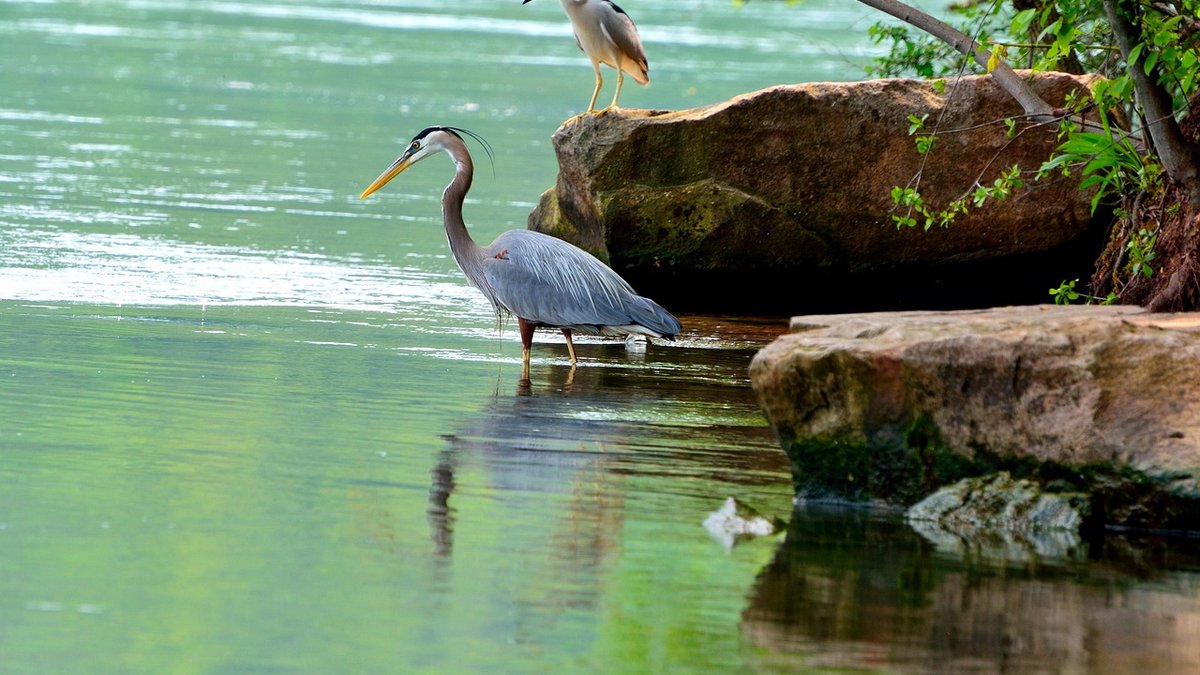
The gentlest lake walks in the UK share a handful of traits: a flat perimeter path, gates wide enough for a mobility scooter or double pushchair, and somewhere to sit every few hundred metres. Old estate lakes, country park meres, reservoir margins and flooded gravel pits that have matured into nature reserves all tend to deliver this. They are usually circular, so you are never far from the car park, and they attract birds precisely because the water is shallow, sheltered and rich in insects.
If you are planning an afternoon out with mixed ages and mixed abilities, aim for a site with a surfaced loop of roughly a mile or less, plus a shorter out-and-back option along one shore. That way the keen walkers can complete the circuit while anyone who needs a rest can turn back at the second bench and still feel they have had a proper day out.
A little research saves a lot of pushing. Look for these details on route descriptions, and if they are missing, assume the worst and ring ahead.
The joy of lakeside birdwatching is that so much happens close in. A bench at the water's edge, a flask and a pair of 8x42 binoculars will keep you busy for an hour. Early morning is best, but the hour before dusk brings birds back to roost and can be just as productive.
Distances matter more than maps suggest when you are pushing a chair or walking with a toddler. As a rough guide: a 500 metre to 1 kilometre out-and-back gives a satisfying 20 to 30 minutes with a bench stop. A 1.5 to 2.5 kilometre circuit suits most families and takes around an hour at an easy pace. Anything between 3 and 5 kilometres is a proper morning out, so check for at least three or four seating points and a mid-route exit.
Many country parks also run all-terrain mobility chairs, often booked in advance and sometimes free. These open up grass and gravel tracks that would otherwise be out of reach.
The best lakeside afternoons end with cake. Visitor cafés at larger waters usually open from around 10am, with outdoor seating overlooking the water, and many welcome muddy boots and wet dogs in a designated area. If you are picnicking instead, choose a spot away from the bank edge — geese are bold, and a table is far more comfortable than a rug on damp ground. Bring a flask, a waterproof layer and sun cream, because water reflects light and the weather at a lake can change within an hour.
Weekday mornings and school term time are quietest. Winter months offer dramatic wildfowl numbers but shorter daylight and slippery boardwalks, so allow extra time and check for flood closures. Keep dogs on a short lead near nesting reeds and waterfowl between March and July, stay on the path to protect bank vegetation, and give roosting birds a wide berth. A quiet, unhurried approach rewards you with far better sightings — and far gentler afternoons for everyone in the group.

Hi, my name is Anthony kuber. I am artist and fashion designer.
I love to travel and writing blogging.
Your email address will not be published. Required fields are marked *
Software Developer & Writer
Hey, I'm Diva, a developer and writer blending code and creativity. I'm driven by a deep curiosity and a relentless pursuit of excellence. Join me as I craft digital solutions and captivating stories.


